Guide
Greenbelt Land in Tennessee: What It Means When You Buy Acreage
Tennessee's greenbelt program lets qualifying farm, forest and open space land be taxed on what it is used for today rather than what it would sell for, which often means a lower tax bill. If you are buying acreage, three questions matter: is the land enrolled now, can you keep it enrolled, and what happens if you change how it is used.
What the greenbelt program is
The program comes from the Agricultural, Forest and Open Space Land Act of 1976, Tennessee Code Annotated sections 67-5-1001 through 1050. It values qualifying land at its present use instead of its highest and best use. The State Board of Equalization approves the application forms, and the county assessor of property decides each application.
The three classifications
Agricultural land
Agricultural land needs at least 15 acres, counting woodlands and wastelands. It qualifies as a farm unit producing agricultural products, or as land farmed for at least 25 years by the owner, the owner's parent or the owner's spouse that is also the owner's residence. Gross agricultural income averaging at least $1,500 a year over any three-year period lets the assessor presume the land is in agricultural use, though land that is actively farmed can qualify without it.
Two separate tracts in the same county can qualify together when one has at least 15 acres and the other at least 10, or when they total at least 15 acres and are separated only by a road, a body of water or an easement. They must work as one farm unit and have the same owners.
Forest land
Forest land also needs at least 15 acres, managed as a forest unit growing trees under a sustained-yield management program. A forest management plan is required. The state advises using a professional forester to write one, but does not require it.
Open space land
Open space land needs at least three acres in an open or natural condition, and the county or city planning commission must first have designated the area for preservation. Without that designation, the classification is not available.
When you buy land that is already enrolled
Enrollment does not simply pass to a new owner. The state says reapplication is not required unless ownership changes as of the January 1 assessment date, so a buyer applies in their own name. First-time applications go to the county assessor of property and are due by March 15. Once approved, the application is recorded with the register of deeds, and the applicant pays the recording fee.
Rollback taxes
Rollback taxes recapture the tax saved while the land was valued at its present use. The state is clear that they are not a penalty. They equal the difference between the use value and the market value, for the preceding three years on agricultural and forest land and the preceding five years on open space land. The assessor calculates them; they are payable from the date of the written notice and become delinquent on March 1 of the following year.
Before closing on enrolled land, ask whether the use you plan for the property keeps it in the program, what rollback taxes would be if it came out, and who in the contract is responsible for them.
A limit on how much land one owner can enroll
No owner may place more than 3,000 acres under greenbelt in any one taxing jurisdiction, and the limit applies to partnerships, corporations, companies and trusts as well as people.
Questions to ask before you make an offer
- Is the parcel enrolled now, and under which classification?
- For forest land, is there a current forest management plan?
- Will your use of the land keep it qualifying: farming, timber, or open space under a planning designation?
- Can your application reach the county assessor by March 15?
- If the land came out of the program, what would the rollback taxes be, and who pays them under the contract?
This is general information from the State Board of Equalization, not tax or legal advice. The county assessor of property decides whether land qualifies.
Acreage in our listings
Above the 15-acre minimum for the agricultural and forest classifications. Whether a property is enrolled, or would qualify, is the county assessor's decision.
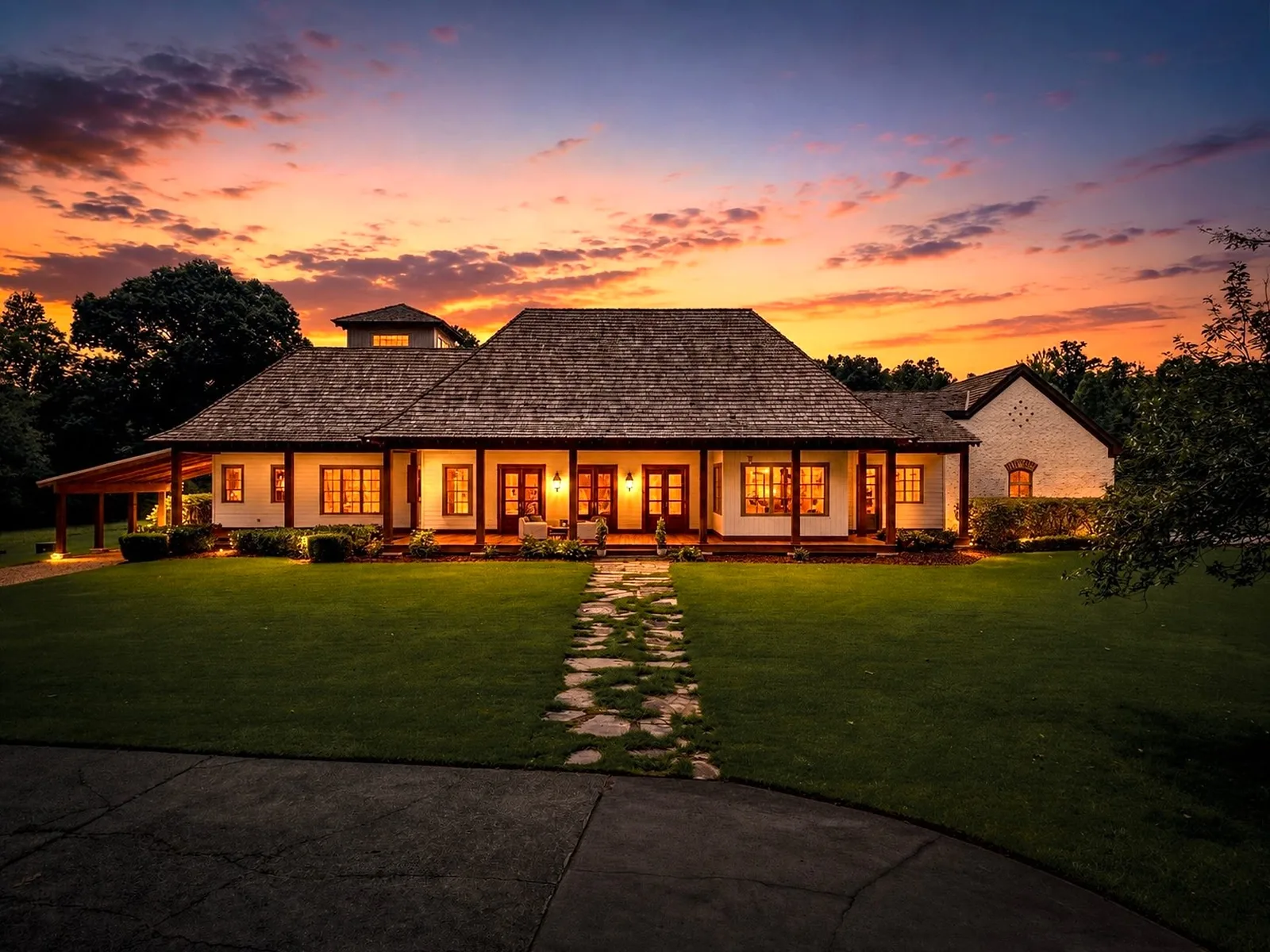
Acreage and features are from each listing's own record. Buyers should verify them.
Questions buyers ask
How many acres do you need for greenbelt in Tennessee?
At least 15 acres for agricultural or forest land, and at least three acres for open space land in an area a planning commission has designated for preservation. Two nearby tracts with the same owners can sometimes qualify together.
Does greenbelt transfer when a property is sold?
No. A change of ownership as of the January 1 assessment date means the new owner applies in their own name, with first-time applications due to the county assessor of property by March 15.
What are rollback taxes in Tennessee?
Rollback taxes recapture the tax saved while land was valued at its present use: the difference between use value and market value for the preceding three years on agricultural and forest land, or five years on open space land.
Do you need farm income to qualify as agricultural land?
Not always. Gross agricultural income averaging $1,500 a year over three years lets the assessor presume agricultural use, but land that is actively farmed can qualify without it.
Who decides whether land qualifies for greenbelt?
The county assessor of property. A denied application can be appealed to the County Board of Equalization and then to the State Board of Equalization.
Sources
About PACE Realty. We build every exceptional listing a site of its own, plus the unbranded copy the MLS accepts. See how it works.